Every morning, engineers around the world gather in circles (or Zoom calls) to answer three questions: What did you do yesterday? What will you do today? Any blockers?
Fifteen minutes later, nothing has changed. The meeting could have been a Slack message. But it’s sacred, part of “being Agile,” so we keep doing it.
I think daily standups, as commonly practiced, actively harm engineering teams. Let me explain why, and what to do instead.
The Original Intent
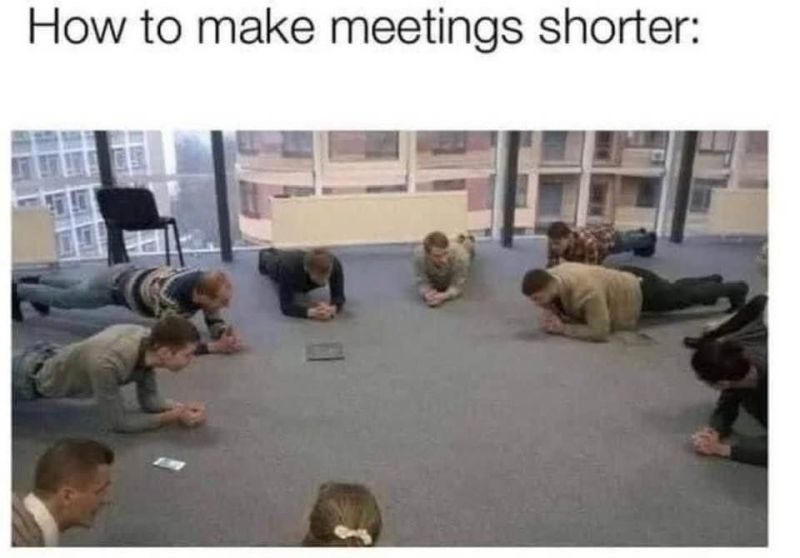
Standups came from Extreme Programming and later Scrum. The idea was sound: brief, daily synchronisation to surface blockers early and keep the team aligned.
The key word is “brief.” The original format assumed people were co-located, the meeting was literally standing up to discourage rambling, and the entire thing took five minutes.
That’s not what standups look like in 2026.
What Actually Happens
Here’s a typical standup at a modern tech company:
9:00am - Scheduled start time. Half the team is still getting coffee.
9:07am - Meeting actually starts. Someone shares their screen to show the Jira board.
9:08am - First person gives their update. It’s detailed. Too detailed. There’s context from yesterday that most people don’t need.
9:12am - Discussion breaks out about something tangential. Two people debate an implementation detail. Six people stare at nothing.
9:18am - Someone says “let’s take this offline” for the third time.
9:25am - Meeting ends. Twenty-five minutes of eight engineers’ time: over three person-hours spent so everyone could say “I’m working on the same thing as yesterday.”
This pattern repeats daily. Five days a week. Fifty weeks a year. That’s 750+ engineering hours annually for a team of eight. On updates that could have been async.
The Hidden Costs
Time isn’t even the biggest problem. The real costs are subtler.
Context switching. Engineers do their best work in flow state. Deep, focused concentration. A standup at 9am means you can’t start focused work until 9:30. A standup at 10am means you get maybe an hour of focus, then the meeting, then you need 20 minutes to get back into flow. The interrupt is more expensive than the meeting itself.
Manufactured urgency. When you have to report daily, you start optimising for reportable progress. Sometimes the right thing is to spend two days reading documentation, sketching designs, and thinking. But that’s hard to say in standup. “I’m still thinking” sounds like you’re slacking. So people either rush to show visible progress or lie about what they’re doing.
Performance theatre. Standups reward people who are good at talking about work. That’s not the same as being good at work. I’ve watched junior engineers stress about how to make their update sound impressive, while senior engineers phone in vague summaries because they’ve learned nobody’s really listening.
Time zone inequity. For distributed teams, someone’s always getting shafted. Either you’re doing standup at 7am or 8pm. “Just rotate the time” people say. Great, so everyone gets shafted equally instead of one person getting shafted consistently.
The Async Alternative
Here’s what I do with my teams: async updates, optional sync.
Every morning (or end of day, depending on preference), everyone posts a brief update to a shared channel:
✅ Finished: PR #234 merged, auth service deployed
🔄 Today: Starting work on user preferences API
🚧 Blocked: Waiting on design review for onboarding flow
That’s it. Takes two minutes to write. People can read it when they have time. No calendar block. No context switch.
If something needs discussion, you schedule a focused conversation with the relevant people - not a full team meeting. If nothing needs discussion, the async update is sufficient.
This approach has some benefits that aren’t immediately obvious.
Written updates are searchable. “What was the status of X last week?” becomes a search query instead of a memory exercise.
People have time to think before responding. Blockers get more thoughtful responses when people can actually look into them instead of promising to “follow up after standup.”
Updates can be detailed when needed. In a sync meeting, detailed updates waste everyone’s time. Async, people can write as much context as needed, and readers can skim or dig in based on their needs.
Time zone irrelevant. Everyone posts when it’s convenient for them. Everyone reads when it’s convenient for them.
”But We Need Face Time”
The most common objection: “Teams need to see each other. Standups build culture.”
I don’t buy it.
First, if your standups are building culture, you’re doing standups wrong. Culture-building conversations aren’t status updates. They’re social interaction, shared problem-solving, celebrating wins. None of which fit the standup format.
Second, people need face time with the people they work closely with. That’s not the whole team every day. It’s usually two or three collaborators, and you should be talking to them constantly anyway - pairing, reviewing, designing together.
Third, if the only time your team sees each other is standups, you have bigger problems than standup format. Schedule a weekly team social. Do virtual coffee chats. Play online games together. Anything that’s actually social, not a meeting masquerading as social.
When Sync Standups Make Sense
I’m not saying synchronous standups are always wrong. There are scenarios where they work.
Brand new teams. When people don’t know each other yet, daily face time helps build trust faster. Once relationships are established, switch to async.
Active incidents. When something’s on fire, brief sync check-ins ensure everyone’s aligned and working on the right thing. But this should be temporary - days, not months.
Teams that are genuinely blocked frequently. Some work involves a lot of dependencies and coordination. If your team spends half their time waiting on each other, sync standups help. But also, maybe redesign your team structure.
Teams that prefer it. If your team has discussed it and genuinely prefers sync standups, keep doing them. Autonomy matters more than process dogma.
Making the Switch
If you’re a team lead who wants to try async updates, here’s how to make the transition.
Week 1: Do both. Keep the standup, but also start posting async updates. This lets people get used to the format without removing the safety net.
Week 2: Make standups optional. Everyone posts async. Standup still happens, but attendance is optional. Watch who shows up and why.
Week 3: Cancel standups, schedule retrospective. Go fully async. After two weeks, discuss what’s working and what isn’t. Adjust based on feedback.
The key is presenting it as an experiment, not a mandate. “Let’s try this for three weeks and see if it works” is easier to accept than “standups are cancelled forever.”
The Deeper Issue
Standups are a symptom of a deeper problem: managers who don’t trust their teams.
When you trust people to do their jobs, you don’t need daily status updates. You check in periodically, remove blockers when asked, and get out of the way.
When you don’t trust people, you want to see them every day. You want to hear what they’re working on. You want evidence of progress. Standups are surveillance dressed up as collaboration.
I’ve noticed a pattern: the teams with the most rigid standup requirements are usually the ones with the least autonomy. It’s not coincidence.
What Good Looks Like
The best teams I’ve worked with share information freely without mandatory meetings. Updates happen when there’s something worth sharing. People ask for help when they need it. Managers trust that work is happening even when they can’t see it.
This requires psychological safety. People need to feel comfortable saying “I don’t know” or “I’m stuck” without fearing judgment. They need to trust that asking for help is welcomed, not penalised.
Building that trust is harder than scheduling a recurring meeting. But it’s also more valuable.
Try It
If you’re skeptical, I get it. Standups are deeply ingrained in engineering culture. Questioning them feels like questioning gravity.
But that’s exactly why it’s worth questioning. The best processes are the ones we’ve consciously chosen, not the ones we’ve inherited without examination.
Try async updates for a month. See what happens. Worst case, you go back to standups with a clearer understanding of why they work for your team.
Best case, you get three hours back every week and your team is happier.
Worth a shot, isn’t it?